
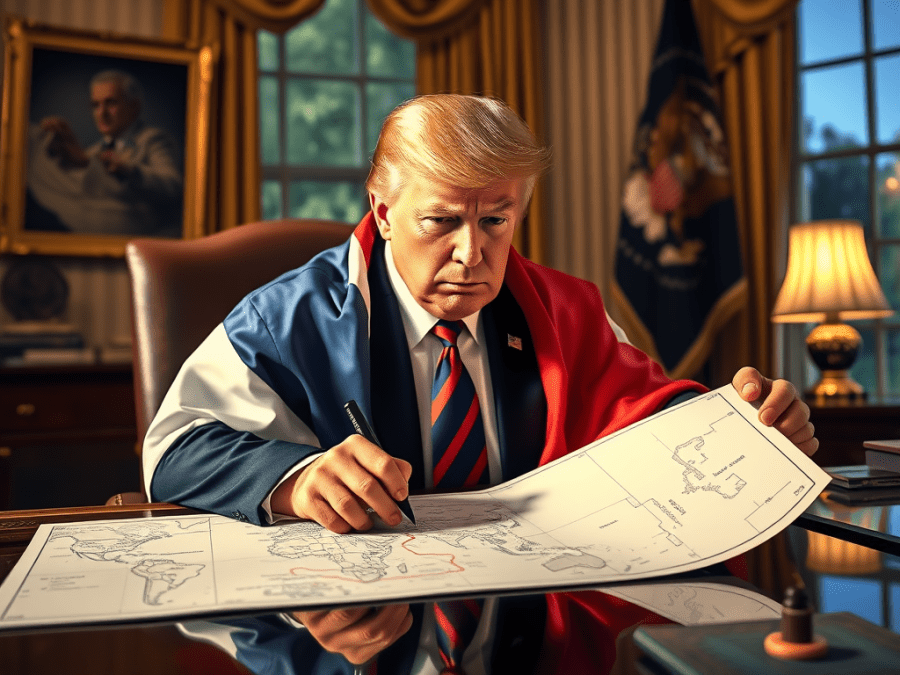
Mainstream media has tirelessly portrayed President Trump’s so-called trade war as little more than reckless — even downright hostile. But what if there is more to it than we generally appreciate? The President has stressed that fair and reciprocal trade sends a message that tariffs, as a rule, are unfair. He has been nothing if not consistent — in interviews as far back as the 1980s — that trade must not be a “one-way street“. Importing far more than Americans are capable of exporting to other countries adds up to revenue losses, lower wages and fewer jobs for Americans.
Change is hard. And the risks are not trivial: Persistent inflation is one of those risks. Geopolitical tension is another. The European Union and Canada, for example, have threatened to retaliate against steel and aluminum tariffs. China has said it is ready for trade war and a conventional war “till the end“. Michigan electric grid operators have expressed fear that tit-for-a-tat tariffs will impact power delivery. And yet setting aside the pitfalls of rocking the boat, the truth remains: As the world’s top trade partner, the United States of America has little choice but to embrace economic diversification and the re-shoring of manufacturing. Why now? Because, unlike the 1990s and early- to mid 2000s, the rise of artificial intelligence will not leave white collar jobs unscathed. The days of presidents Clinton, Obama and Biden blithely urging working class America to “learn to code” are in the rearview mirror.
While debate exists on how best to rebalance trade, few disagree that it is necessary.
Continue reading “Trump on Trade: Big Win or Date with Disaster?” The Social Critic